
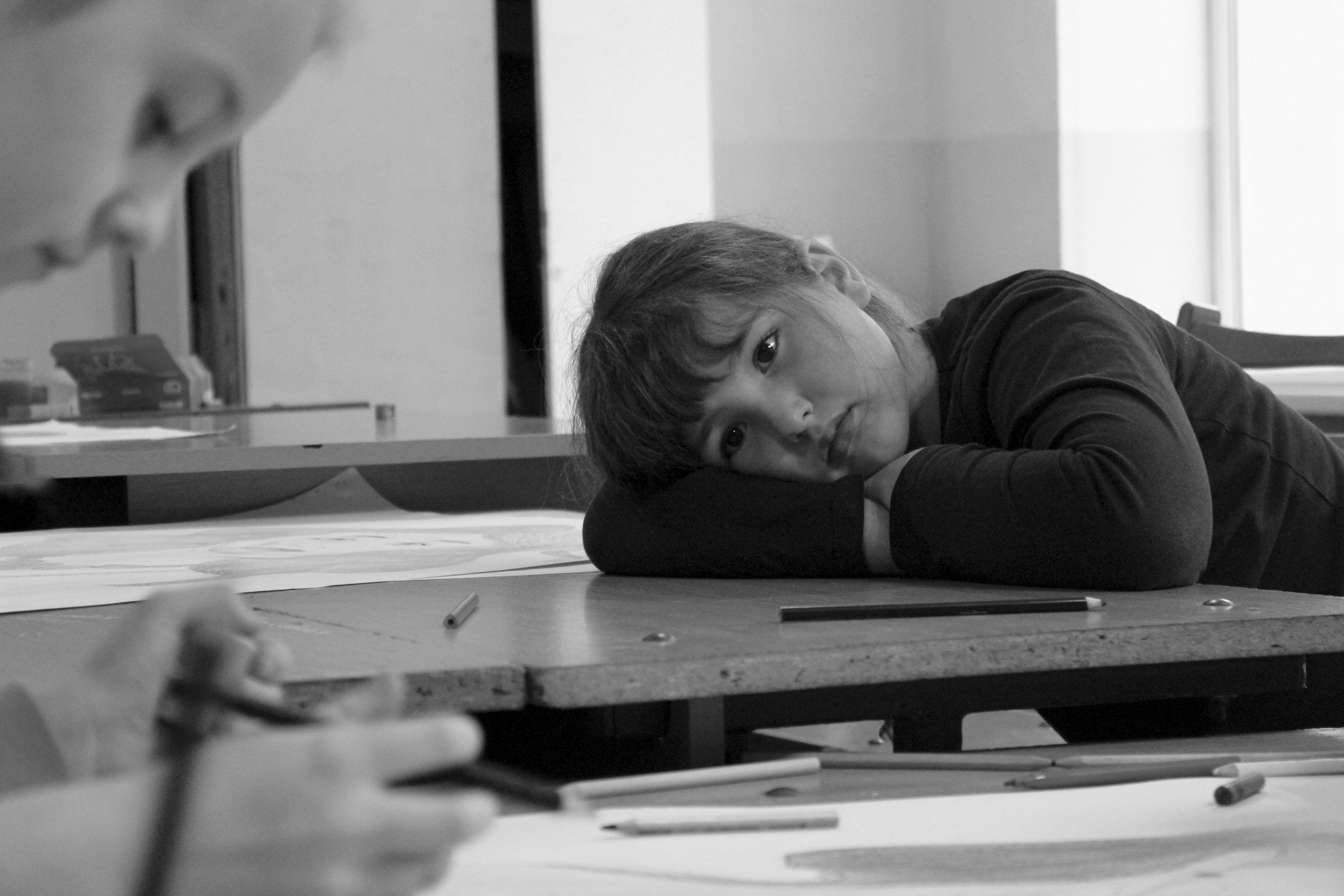
For many children and young people, school is a place of friendship, discovery and opportunity. But for others, the thought of walking through the school gates can trigger overwhelming feelings of fear, worry and distress.
School anxiety is often misunderstood. A child who refuses to get dressed, complains of feeling unwell or becomes upset at the mention of school may be labelled as difficult, defiant or unwilling to learn. Yet behind these behaviours, there may be a young person who is genuinely struggling to cope.
At Keane Futures, we believe that behaviour is communication, and understanding what a child is experiencing is essential before we can begin to support them.
School anxiety is not simply about a child not wanting to attend school. It can affect their emotional wellbeing, physical health, confidence, relationships and, ultimately, their ability to engage with education.
What Is School Anxiety?
School anxiety describes feelings of intense worry, fear or distress associated with attending school or particular aspects of the school environment.
For some young people, these feelings may be linked to academic pressures, friendships or social situations. For others, sensory overload, difficulties with emotional regulation, unmet special educational needs or previous negative experiences may contribute to their distress.
When anxiety becomes so overwhelming that a child struggles to attend school, this is often described as Emotionally Based School Avoidance (EBSA).
Importantly, EBSA is not necessarily a conscious choice. A young person may desperately want to attend school, see their friends and participate in learning, but feel emotionally or physically unable to do so.
Understanding this distinction is vital.
Rather than asking, "Why won't this child go to school?", perhaps we should be asking, "What is making school feel so difficult for this child?"
That simple change in perspective can open the door to more compassionate and effective support.
The Signs We Don't Always See
School anxiety does not look the same for every child.
Some young people express their distress openly through tears, panic or refusing to leave the house. Others internalise their feelings, appearing quiet, withdrawn or seemingly settled during the school day.
In some cases, a child may manage to hold everything together at school, only to become overwhelmed when they return home.
Signs of school anxiety can include:
Physical symptoms: Frequent headaches, stomach aches, nausea or feeling unwell, particularly before school.
Emotional changes: Increased worry, irritability, tearfulness or low mood.
Changes in behaviour: Difficulty getting ready, reluctance to leave home, emotional outbursts or withdrawal.
Sleep difficulties: Trouble falling asleep, disturbed sleep or worrying about the following school day.
Reduced confidence: Negative self-talk, fear of making mistakes or feelings of inadequacy.
Avoidance: Missing individual lessons, arriving late, seeking frequent reassurance or struggling to attend altogether.
These signs can have different causes and should never be viewed in isolation. However, when patterns emerge, it is important to explore what may be happening beneath the surface.
The Hidden Emotional Impact
One of the most significant consequences of school anxiety is the effect it can have on a young person's sense of self.
Imagine repeatedly being expected to enter an environment that feels overwhelming, unpredictable or unsafe.
Now imagine being told that you are simply not trying hard enough.
Over time, these experiences can affect a child's confidence and self-esteem.
They may begin to believe they are failing, that something is wrong with them or that they are disappointing the adults around them.
For some young people, anxiety creates a difficult cycle:
Anxiety about school leads to difficulty attending. Missing school creates additional worries about falling behind, friendships or returning. These worries then make attendance feel even harder.
Without appropriate understanding and intervention, this cycle can become increasingly difficult to break.
This is why responding to school anxiety with pressure, punishment or shame can sometimes intensify the very difficulties we are trying to resolve.
Children need to know that their feelings are being taken seriously and that the adults supporting them are working together to find a way forward.
When Anxiety Affects Learning
Learning requires more than simply being physically present in a classroom.
A young person needs to feel sufficiently safe, emotionally regulated and connected to engage meaningfully with education.
When a child's mind is preoccupied with anxiety, concentrating on lessons, processing instructions, remembering information and participating in activities can become incredibly challenging.
A child may appear distracted, disengaged or unwilling to complete work, when in reality they are using much of their emotional energy just to manage the demands of the school day.
For children with Special Educational Needs and Disabilities (SEND), these difficulties may be compounded by sensory sensitivities, communication differences, difficulties with transitions or learning environments that do not adequately meet their individual needs.
A child cannot always access learning effectively when they are overwhelmed by the environment in which that learning takes place.
This highlights the importance of creating educational experiences that consider emotional wellbeing alongside academic achievement.
The Impact on Families
School anxiety rarely affects only the young person experiencing it.
For parents and carers, mornings can become particularly distressing. What should be a straightforward routine may involve tears, emotional outbursts, repeated reassurance and difficult conversations about attendance.
Families may find themselves caught between wanting to protect their child's wellbeing and feeling pressure to ensure they attend school.
There can also be feelings of guilt, frustration, isolation and uncertainty about where to turn for help.
Some parents may worry that their concerns are not being fully understood, particularly when their child appears settled or behaves differently within the school environment.
It is important to recognise that parents and carers often hold valuable information about how a child is coping beyond the school gates.
Families should be viewed as partners in understanding a young person's needs, rather than as part of the problem.
Open communication, empathy and a shared commitment to finding solutions can make a meaningful difference.
What Can Parents and Teachers Do?
Supporting a young person experiencing school anxiety requires patience, understanding and a willingness to look beyond attendance figures.
There is no single approach that will work for every child, but several principles can help create positive change.
1. Listen Without Judgement
Give young people opportunities to express how they are feeling without fear of criticism or dismissal.
Rather than immediately focusing on solutions, begin by acknowledging their experience.
Sometimes, hearing "I can see that school feels really difficult for you right now" can be more helpful than repeatedly explaining why attendance is important.
2. Look Beneath the Behaviour
Ask what a child's behaviour might be communicating.
Is the classroom too noisy? Are social situations overwhelming? Is there a particular lesson, transition or relationship that causes distress?
Understanding the underlying difficulty allows adults to respond to the need rather than simply the behaviour.
3. Prioritise Relationships and Emotional Safety
Positive, consistent relationships are a powerful foundation for supporting anxious young people.
Having a trusted adult who listens, understands and responds calmly can help a child begin to feel more secure.
At Keane Futures, we recognise that connection and trust are essential parts of re-engaging young people with education.
4. Make Reasonable Adjustments
Small changes can sometimes make a significant difference.
These might include access to a quiet space, flexible transitions, adapted learning activities, sensory breaks or additional support from a familiar adult.
Adjustments should be based on the individual's needs rather than expecting every child to respond to the same approach.
5. Celebrate Progress, However Small
For a young person experiencing significant anxiety, progress may not initially look like returning to full-time education.
It might mean leaving the house, meeting a trusted adult, attending a short learning session, communicating a worry or trying an unfamiliar activity.
These steps deserve recognition.
Progress is not always linear, and setbacks do not erase the achievements already made.
6. Work Together and Seek Additional Support
Parents, schools and professionals should work collaboratively to identify barriers and develop a realistic, supportive plan.
Where anxiety is persistent or significantly affecting everyday life, additional support from a GP, school SENCO, educational psychologist or appropriate mental health professional may be beneficial.
The aim should be to help the young person feel safe, supported and increasingly able to access education, without overlooking the factors contributing to their distress.
The Role of Alternative Education
For some young people, the traditional school environment may not currently provide the flexibility or individualised support they need to engage successfully.
This does not mean they are incapable of learning or achieving.
It may simply mean that a different approach is needed.
Alternative education can offer opportunities to rebuild confidence, develop trusting relationships, strengthen emotional regulation and reconnect with learning in ways that reflect a young person's individual needs.
At Keane Futures, our approach begins with building positive, respectful relationships and creating the foundations for emotional wellbeing.
Through our Pathway to Success model, we recognise that emotional regulation, connection and trust are fundamental to meaningful engagement in education.
By taking an individualised, interest-based approach, we aim to help young people rediscover their strengths, develop self-belief and reignite their passion for learning.
For a child who has experienced significant anxiety around education, being understood and experiencing success again can be incredibly powerful.
Changing the Conversation Around School Anxiety
School attendance matters. Education matters. But so does the emotional wellbeing of every child and young person.
When we focus solely on whether a child is attending school, we risk overlooking the reasons why attendance has become difficult.
Instead, we need to look at the whole child.
Their experiences. Their relationships. Their environment. Their individual needs.
We need to move away from viewing anxiety-related absence simply as a behaviour to correct and towards understanding it as a signal that something may need to change.
Because behind every attendance statistic is a young person with their own story.
And sometimes, the most important first step is not getting them back into a classroom.
It is helping them feel safe enough to believe that learning is possible again.
How Keane Futures Can Help
At Keane Futures, we understand that every young person's educational journey is different.
We work with children and young people who may be experiencing Emotionally Based School Avoidance (EBSA), Social, Emotional and Mental Health (SEMH) difficulties or Special Educational Needs (SEN).
Our focus is on developing meaningful relationships, supporting emotional regulation and creating positive learning experiences that help young people rebuild confidence and reconnect with education.
We believe that every young person deserves to feel understood, valued and capable of achieving success.
Because when we change the way we support young people, we can change the way they experience education.